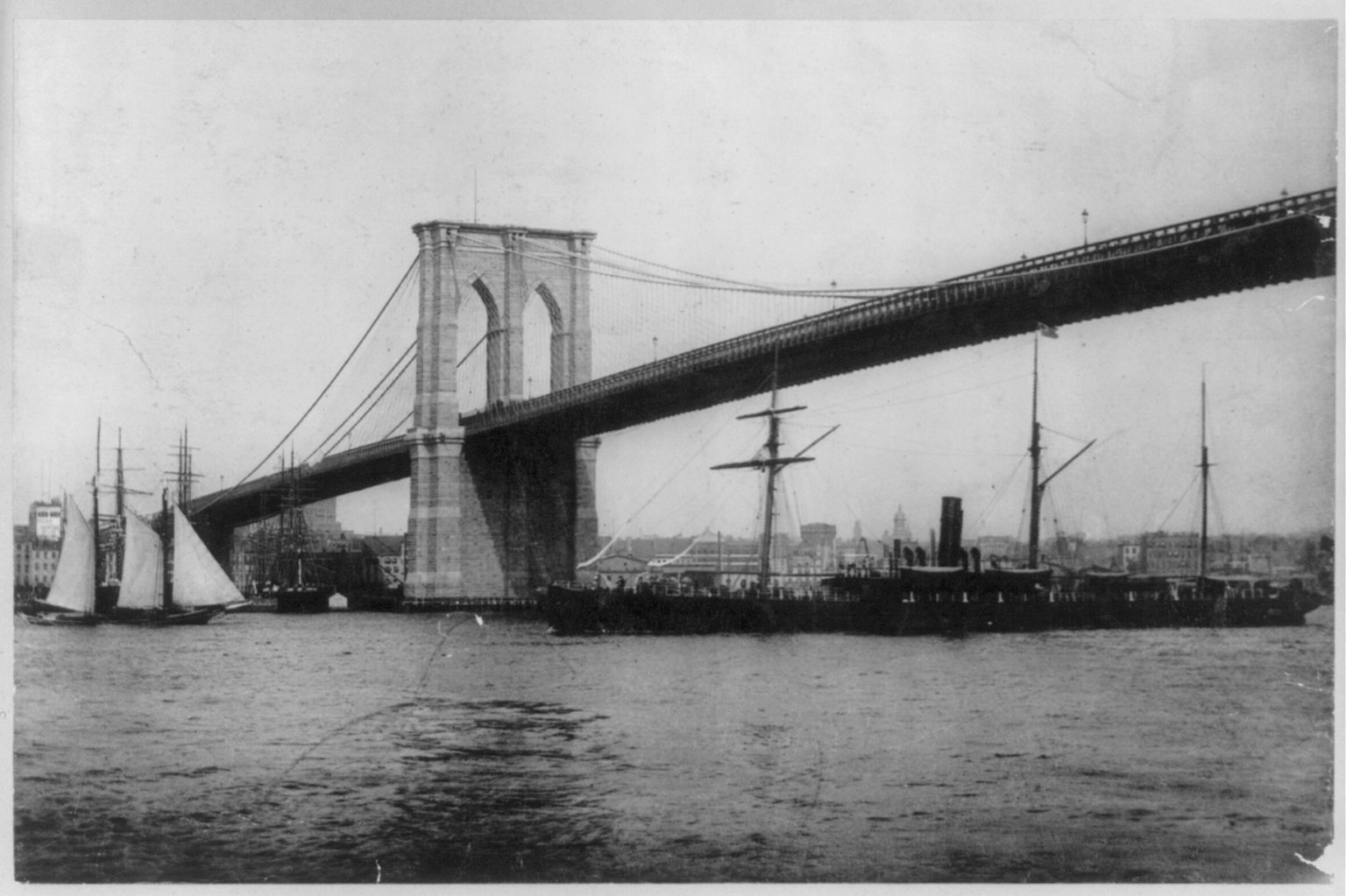
Real photographs. Where? When?
Students study the photograph, look for clues, drop a pin on the map and pick the year.

Families crowd ashore at a small island in a sheltered harbour where a long river meets the Atlantic, on North America's northeast coast.
A photograph of the place, a few years after the event. Where was it, and when did it open?
Show the answer
Ellis Island, in New York Harbor, USA. It opened as the main immigration station of the United States on 1 January 1892. Over 62 years about 12 million people passed through it, most of them from southern and eastern Europe. The photograph shows the island and its main building, which opened in 1900.
Play
Five historical challenges, from two arrival halls to a coal camp.
Discuss
Project the 💬 Discussion starter from your leaderboard.
Write
Printable response sheet: one ordinary person's story, with a rubric.
Reflect
Name one protection workers or immigrants have today that these people did not.
A note on tone, and on today's news
Teaching note: these events are about real people, many of whom died: 146 workers at the Triangle factory, most of them young immigrant women, and about twenty people at Ludlow, among them eleven children. Keep the tone one of respect, not spectacle; the pack uses no graphic photographs. Angel Island was built to enforce the Chinese Exclusion Act, a law that singled out one group by race, and students of Chinese heritage may be in the room. Immigration is also in today’s news: keep the discussion on the past and on the evidence, and never ask students about their own or their family’s immigration status.
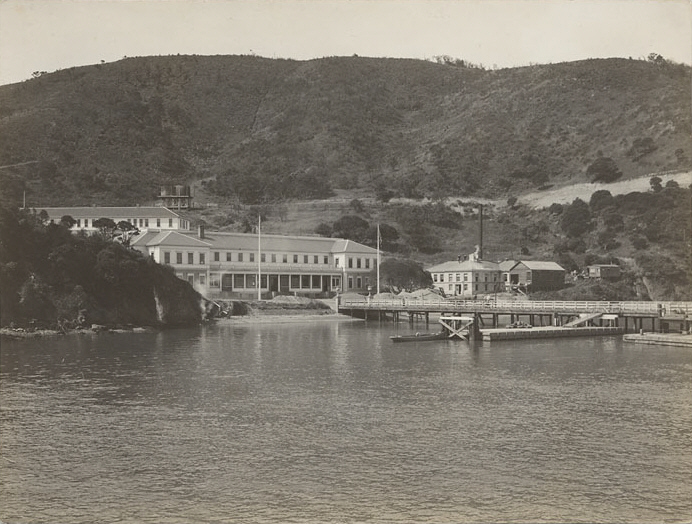
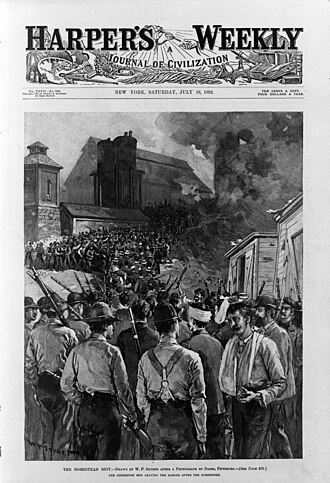
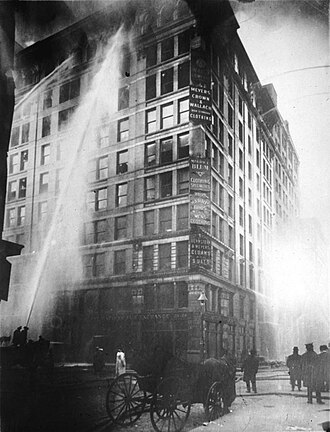
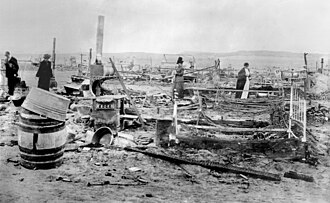
Images (public domain, Wikimedia Commons): Hart Hyatt North papers, UC Berkeley · W. P. Snyder, Harper's Weekly, Library of Congress · Unknown photographer · Bain News Service, Library of Congress · Hero: Library of Congress (cph.3b17499). Your class plays 5 of the pack’s 25 events.
One ordinary person's story
A ready-to-use worksheet with questions and a simple rubric. Students find the evidence, then write about how one of these events changed one ordinary worker's or immigrant's life.
See the full worksheet
| Score | What it looks like |
|---|---|
| 4 | A specific clue for both events, a real person’s point of view, and a clear change backed by evidence from the picture. |
| 3 | Clues for both events; the person and the change are general. |
| 2 | A clue for only one event, or no change explained. |
| 1 | Answers without clues or people from today. |
Prints from your dashboard once the lesson is set up. Free for every teacher.
A daily warm-up for the whole unit
The pack holds 35 events from 1871 to 1919: railroads and steel, party bosses and Populist farmers, strikes and reformers, two immigrant gateways, and the laws that took Native land and split train cars by race. After the lesson, run it again from your dashboard as your five-minute warm-up: each time, your class gets five events it has not played yet, and students join with the same class code.
Preview the discussion questions
- Which clue made you choose? Turn and talk.
- Most of the people in today's events were immigrants or their children: the Triangle workers were mostly young Jewish and Italian women, and the Ludlow miners' families came from Greece, Italy, Mexico and many other countries. Why did they come, and what did they find?
- The Triangle factory's doors were locked during the working day. The Ludlow miners lived in company houses and had to shop in company stores. Which protections do workers have today that these people did not, and who fought for them?
Big ideas for the unit:
- Who benefited from industrialization, and who paid?
- Why did Americans welcome some immigrants and exclude others?
- How did workers and reformers push back against the problems of the industrial age?
Ready-to-copy student directions, automatically personalised with your class code and teaching date.