
Real photographs. Where? When?
Students study the photograph, look for clues, drop a pin on the map and pick the year.

A railway carriage waits in a forest beside a river valley, a short train ride northeast of a great capital.
A photograph taken at the event. Where was it, and when?
Show the answer
The Compiègne Forest, north-east of Paris, France, 11 November 1918. Just after 5 a.m., Allied and German delegates signed the Armistice in this railway carriage, Marshal Foch’s travelling headquarters, and at 11 o’clock the fighting on the Western Front stopped. The photograph was taken outside the carriage that day: Foch stands at the front, second from right.
Play
Five historical challenges.
Discuss
Project the 💬 Discussion starter from your leaderboard.
Write
Printable response sheet with questions and a rubric.
Reflect
Why do we remember the day the fighting stopped, rather than the day it began?
A note on tone, and what the day is called
Teaching note: these events are about real people, many of whom died or lost someone. Keep the tone one of remembrance, not excitement about battles. Some students may have family who serve or served: invite them to share, never require it. The day has different names: Remembrance Day in Britain, Canada and Australia, Veterans Day in the USA, Armistice Day in France and Belgium. In the USA, Veterans Day honours everyone who has served, living or not; it is not another name for Memorial Day. In Britain and the Commonwealth the focus is on those who died, with a two-minute silence at 11 o’clock.
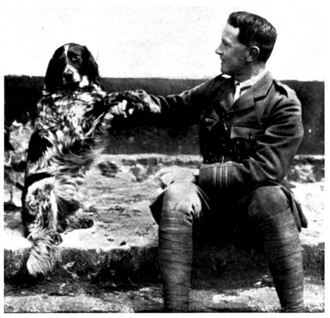
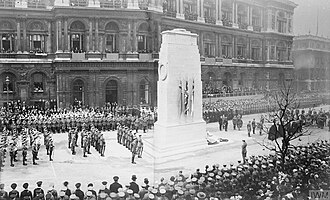
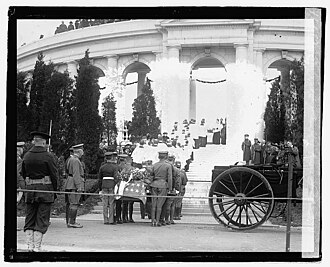
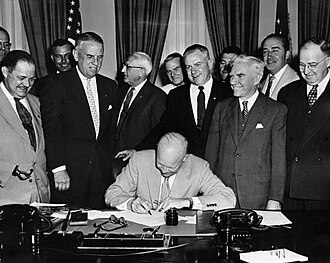
Images (public domain, Wikimedia Commons): John McCrae, In Flanders Fields and Other Poems (1919) · Horace Nicholls, Imperial War Museums (Q 31491) · National Photo Company, Library of Congress · Eisenhower Presidential Library (72-901-1). Your class plays 5 of the pack’s 15 events.
Evidence, not recall
A ready-to-use worksheet with questions and a simple rubric. Students explain the evidence and how each event connects to 11 November.
See the full worksheet
| Score | What it looks like |
|---|---|
| 4 | A specific clue for both events, plus a clear reason which matters most to 11 November. |
| 3 | Clues for both events; the reason is general. |
| 2 | A clue for only one event, or no reason given. |
| 1 | Answers without clues or reasons from today. |
Prints from your dashboard once the lesson is set up. Free: holiday packs are free for every teacher.
Countdown to 11 November
A printable five-day partner activity for 4–10 November, with one pair of photographs a day. One familiar historical moment paired with a lesser-known story. Print once; it covers the week.
- Day 11914The Christmas Truce · The Siege of Tsingtao, China
- Day 21915“In Flanders Fields” · Gallipoli
- Day 31918The Armistice · The war’s final minutes
- Day 41918Poland regains its independence · The last surrender, East Africa
- Day 51920–21The Unknown Warrior, London · The Unknown Soldier, Arlington
Preview the discussion questions
- Which clue made you choose? Turn and talk.
- The fighting on the Western Front stopped at 11 o'clock on 11 November 1918. Which of today's events happened on an 11 November, and which happened years before or after?
- The USA calls 11 November Veterans Day. Britain, Canada and Australia call it Remembrance Day, and France and Belgium call it Armistice Day. Why might countries remember the same day in different ways?
Ready-to-copy student directions, automatically personalised with your class code and teaching date.