AP World Unit 3: Land-Based Empires
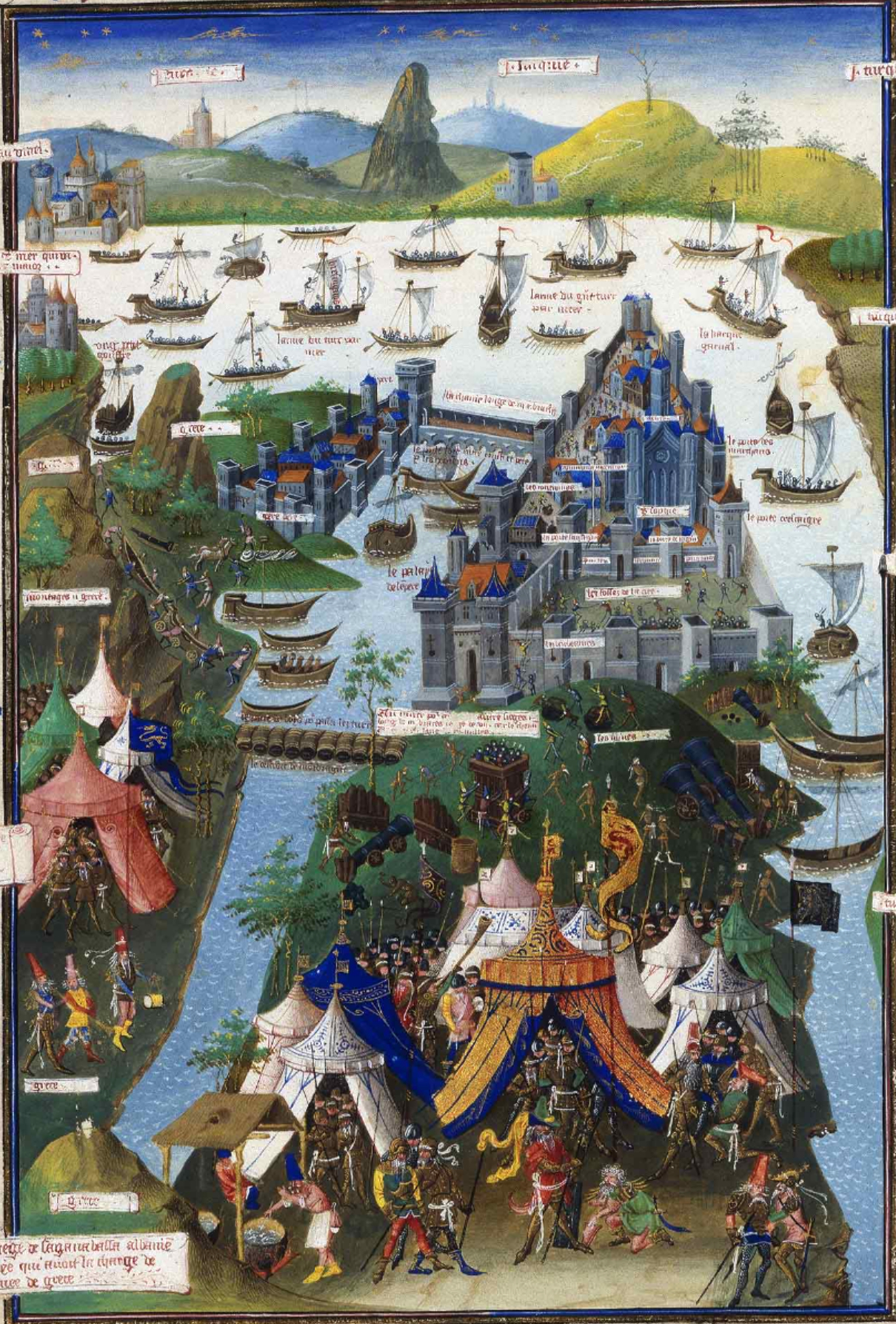
This is Constantinople, now called Istanbul, in modern Turkey — sitting precisely on the Bosphorus strait where Europe and Asia are separated by less than a kilometre of water, exactly the narrow…
WIKIPEDIA →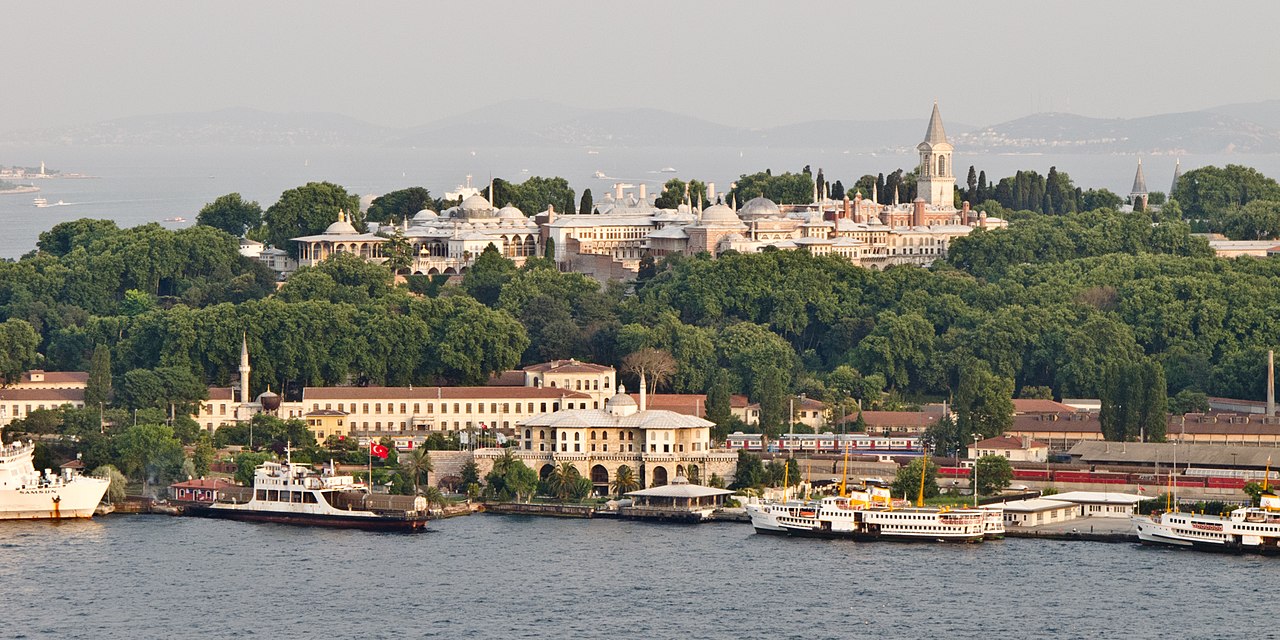
This is Topkapi Palace in Istanbul, Turkey — perched on the promontory where the Bosphorus strait separates Europe from Asia, exactly where the Black Sea funnels into the Sea of Marmara. In 1459…
WIKIPEDIA →
On 2 January 1492 the forces of the Catholic Monarchs Ferdinand and Isabella entered Granada as its last Muslim ruler, Boabdil, surrendered the Alhambra palace-fortress. This ended the Emirate of…

In 1493, Muhammad Ture — later titled Askia — seized the throne of the Songhai Empire and founded the Askia dynasty. Ruling from the Niger River city of Gao, he expanded Songhai into one of West…
WIKIPEDIA →
Around 1500, Guru Nanak (1469–1539), first of the ten Sikh Gurus, founded Sikhism in the Punjab. Rejecting the caste system and ritualism of both Hinduism and Islam, he preached devotion to one…
WIKIPEDIA →
This is Tabriz, in what is now northwestern Iran — set on a high plateau between the Caspian Sea to the east and Lake Urmia to the west, ringed by the Zagros and Armenian mountain systems. In 1501, a…
WIKIPEDIA →
The Battle of Chaldiran took place in 1514 near what is now Caldiran, in the Van Province of eastern Turkey — on the high Anatolian plateau where the highlands of Anatolia give way toward the Zagros…
WIKIPEDIA →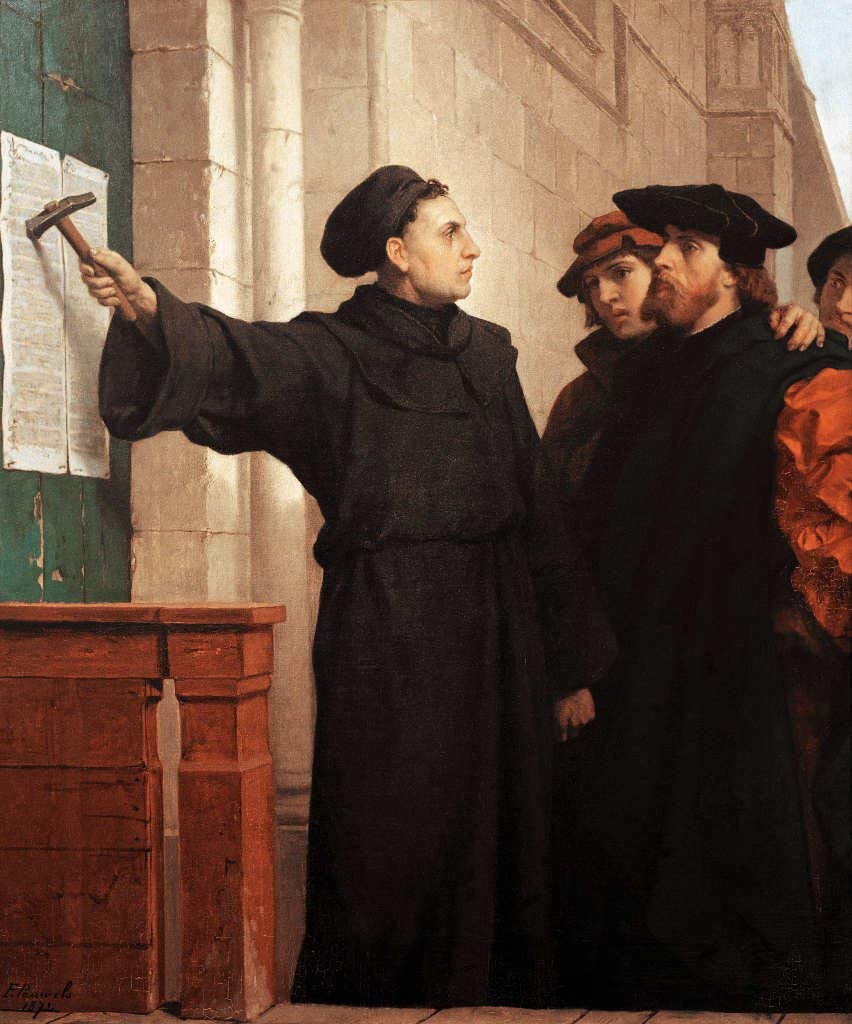
On 31 October 1517, the German monk and theology professor Martin Luther nailed a list of 95 arguments — known as the 95 Theses — to the door of the Castle Church in Wittenberg, Germany. The list…
WIKIPEDIA →
This is Cairo, Egypt — where the Nile Delta meets the northeastern edge of Africa, just west of the Sinai Peninsula that links Africa to Asia. In 1517, the Ottoman Sultan Selim I crushed the Mamluk…
WIKIPEDIA →
The city is Worms, Germany, sitting on the western bank of the Rhine River as it flows northward across the broad central European plain toward the North Sea. In 1521, the religious reformer Martin…
WIKIPEDIA →
The battle unfolded near Mohács, Hungary, on the broad floodplain beside the Danube that sits almost exactly midway between the Carpathian arc and the Adriatic coastline. On August 29, 1526, the…
WIKIPEDIA →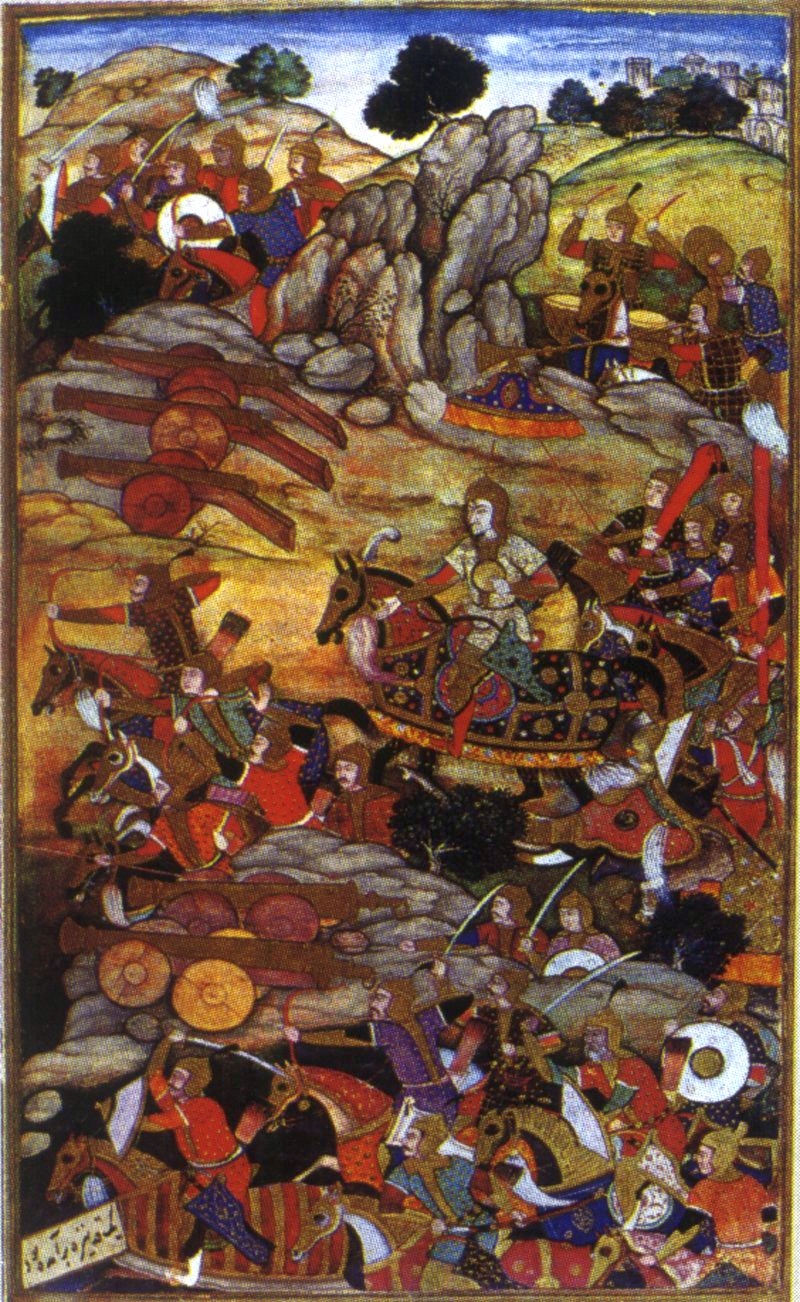
This is Panipat, in present-day India, sitting on the flat plains south of the Himalayas and north of the Gangetic heartland — exactly the kind of open ground where cavalry armies could manoeuvre…
WIKIPEDIA →
Khanwa, in the state of Rajasthan in northern India, sits on the arid plain exactly where the Thar Desert's edge gives way to the broad Gangetic lowlands, with the Himalayas rising to the north. On…
WIKIPEDIA →
This is Vienna, now the capital of Austria, sitting on the Danube where the Alps give way to the vast flat basin stretching east toward the Black Sea — exactly the geographic bottleneck the title…
WIKIPEDIA →
The Battle of Ghaghra was fought in 1529 along the Ghaghra River where it joins the Ganges in what is now the state of Bihar, India — exactly on the broad, flat floodplain of the Indo-Gangetic Plain…
WIKIPEDIA →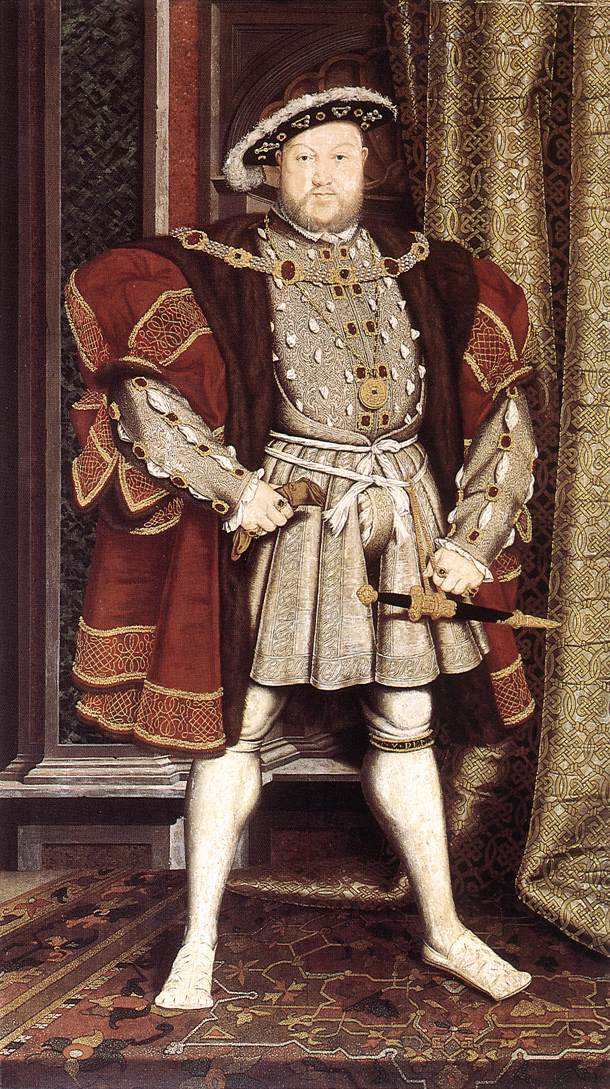
In Westminster, England — on the north bank of the Thames just inland from the channel that separates the island from the continent — Parliament passed the Act of Supremacy in 1534, declaring King…
WIKIPEDIA →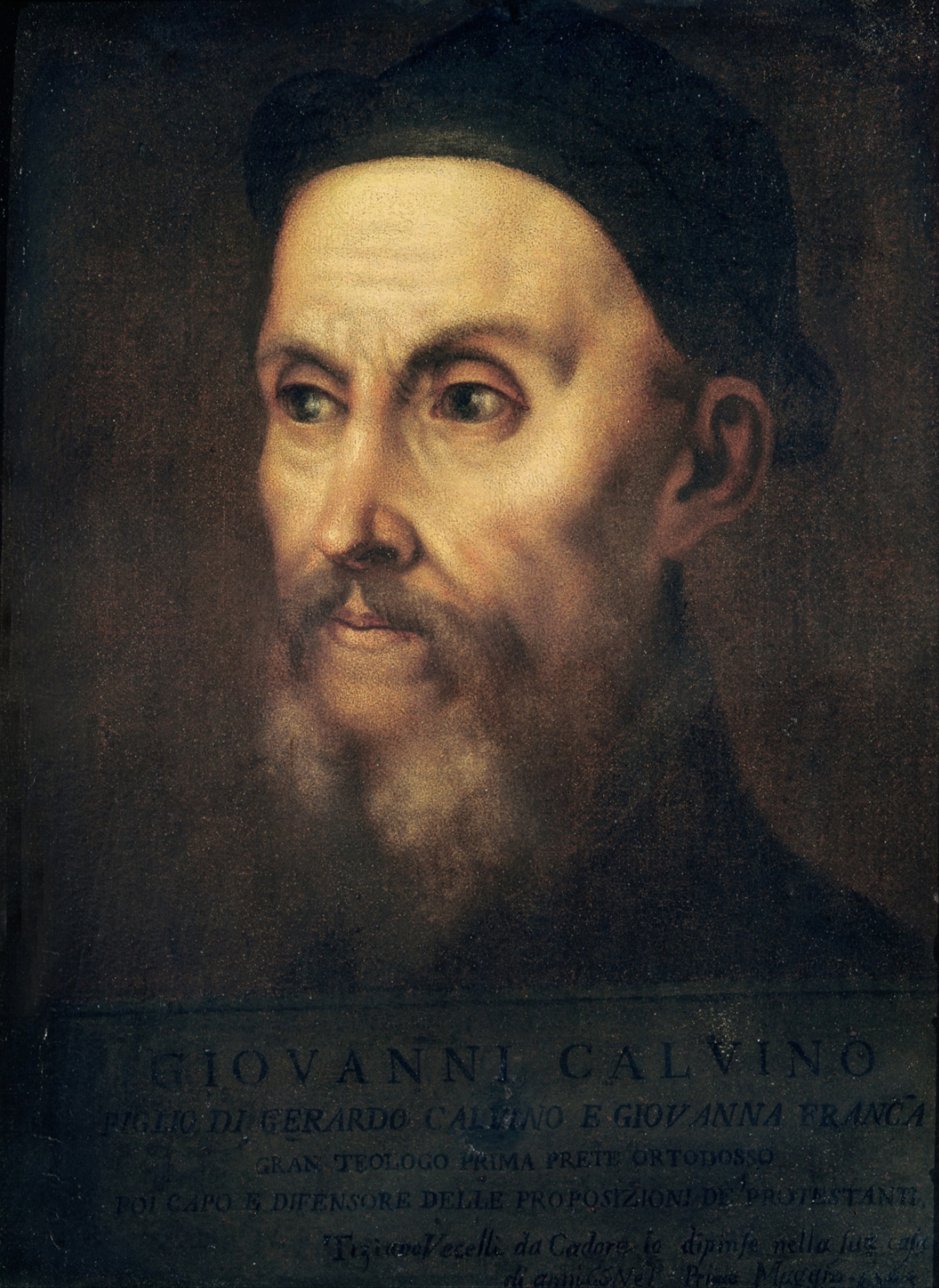
In 1541 the French-born reformer John Calvin returned to Geneva and, through his Ecclesiastical Ordinances, reorganised the city as a Reformed Protestant republic governed by scripture. Geneva sits…

In 1543, Polish astronomer Nicolaus Copernicus published De Revolutionibus Orbium Coelestium, arguing that the Sun — not the Earth — sits at the centre of the universe, and that all planets…
WIKIPEDIA →
This was Trent, a city in what is now northern Italy, sitting in the Adige River valley just south of the Brenner Pass — the great Alpine gateway connecting the Italian peninsula to central Europe…
WIKIPEDIA →
Augsburg, in present-day Germany, sits on the Lech River just north of where the Alps rise from the Bavarian plateau — exactly the central European heartland the title clue described. In 1555, the…
WIKIPEDIA →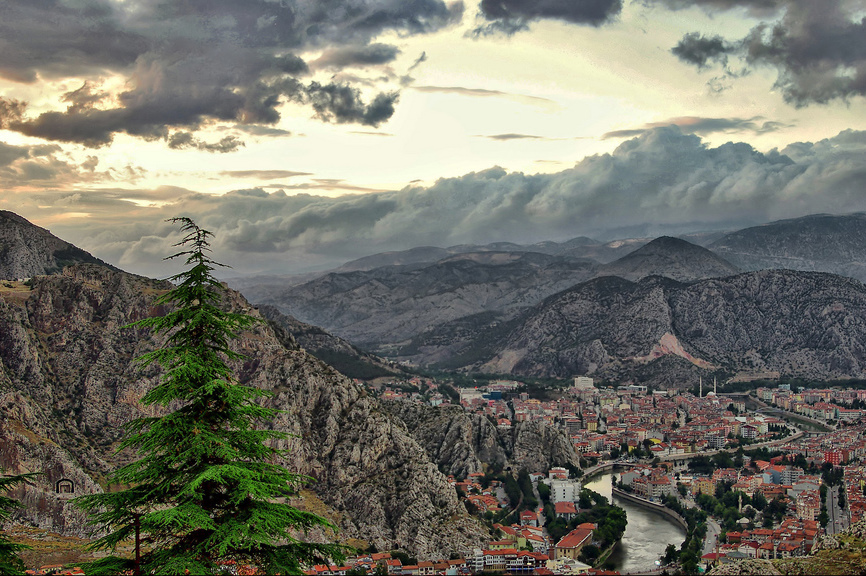
Amasya, a city in northern Turkey, sits on the Yeşilırmak River in the highlands of Anatolia — the broad peninsula between the Black Sea to the north and the Mediterranean to the south, forming the…
WIKIPEDIA →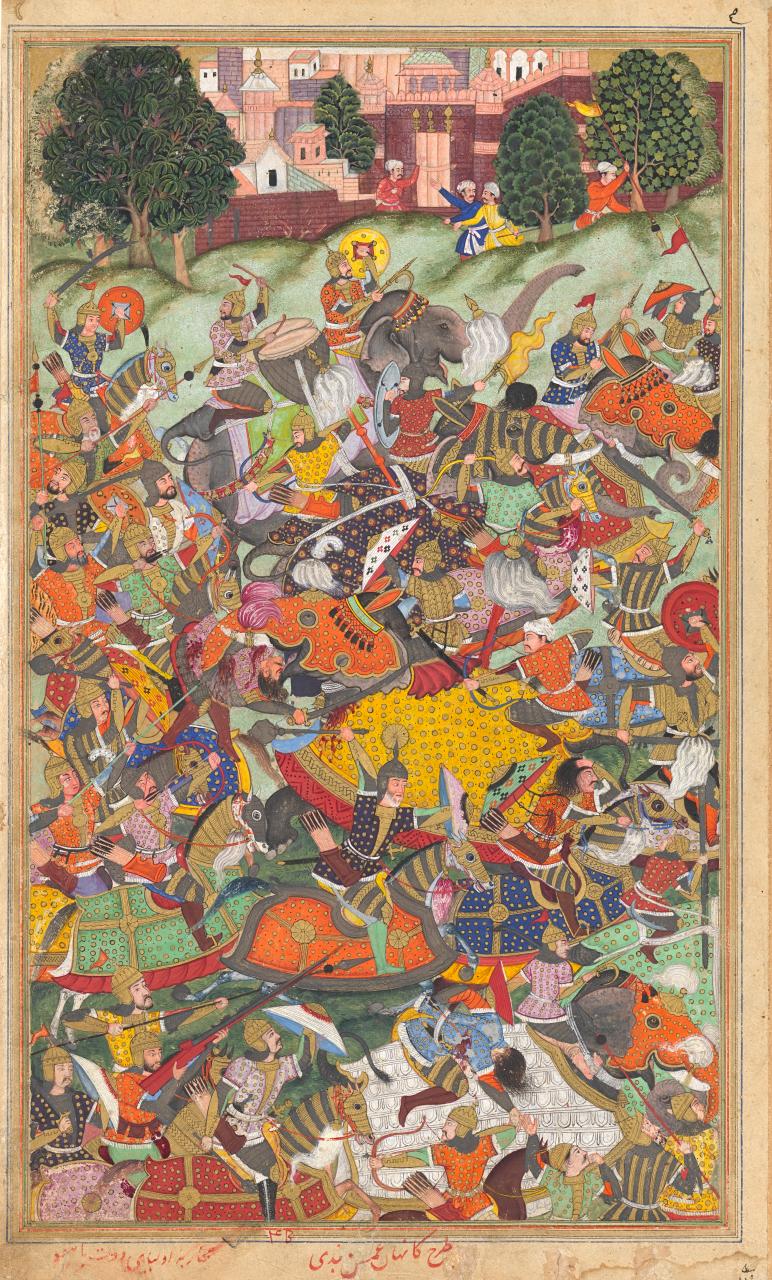
Panipat, a town in northern India, sits on the flat plains just south of where the Himalayas descend toward the great river systems of the subcontinent — exactly the kind of open ground the title…
WIKIPEDIA →
In 1564 the Mughal emperor Akbar abolished the jizya, the tax levied on non-Muslim subjects. Ruling a vast and religiously diverse empire from northern India, Akbar pursued sulh-i-kul ("universal…
WIKIPEDIA →
The Battle of Talikota was fought in 1565 near the town of Talikota, in what is now the state of Karnataka in southern India — on the broad, semi-arid Deccan Plateau that stretches across the…
WIKIPEDIA →
In 1571 the Mughal emperor Akbar founded a new imperial capital at Fatehpur Sikri near Agra, building red sandstone palaces, courtyards, and the towering Buland Darwaza gate. Its architecture fused…
WIKIPEDIA →.jpg)
The Battle of Tukaroi took place in 1575 in the border region between present-day West Bengal and Odisha, India — on the low coastal plains where rivers from the eastern interior drain down toward…
WIKIPEDIA →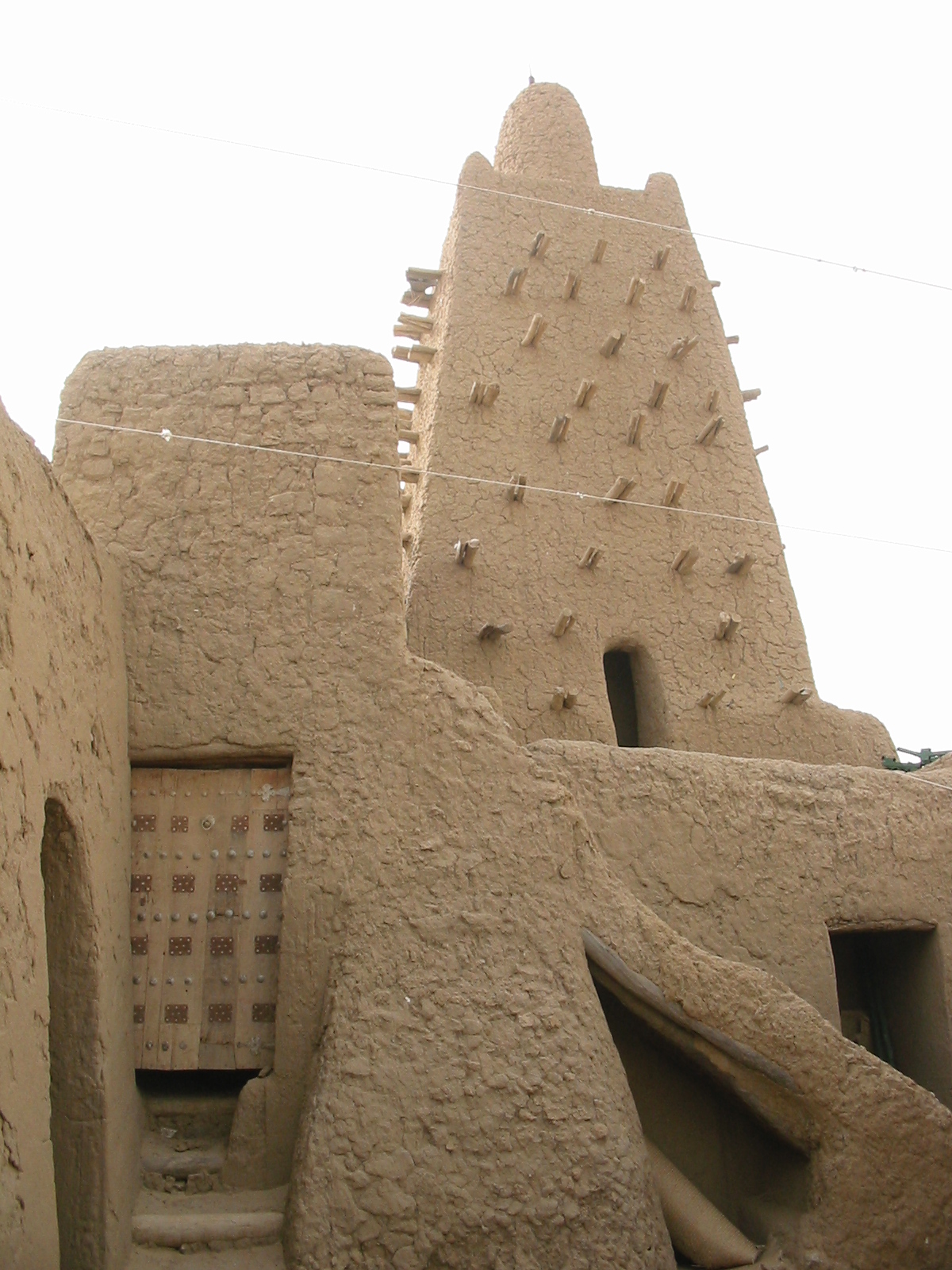
In 1591 a Moroccan army of the Saadi dynasty, armed with gunpowder muskets and cannon, crossed the Sahara and destroyed the far larger Songhai army at Tondibi, near Gao on the Niger River. The defeat…
WIKIPEDIA →
From 1598 Shah Abbas I of the Safavid Empire made Isfahan his capital and laid out the Naqsh-e Jahan Square (the "Image of the World"), among the largest public plazas on earth. Framed by the Shah…
WIKIPEDIA →
The Battle of Noryang took place in the Noryang Strait, off the southern coast of the Korean Peninsula — that finger of land separating the Yellow Sea to the west from the Korea Strait to the south…
WIKIPEDIA →
Sekigahara, a small town in present-day Japan's Gifu Prefecture, sits in a strategic mountain pass corridor on Honshu — the main island of the Japanese archipelago, separated from the Korean…
WIKIPEDIA →
This event unfolded in Edo — today's Tokyo — on Honshu, the main island of Japan, a volcanic archipelago curving along the northwestern edge of the Pacific Ocean, directly east across the Sea of…
WIKIPEDIA →
In 1604 Guru Arjan, the fifth Sikh Guru, compiled the Adi Granth — the first authoritative scripture of Sikhism — and installed it in the Harmandir Sahib (the Golden Temple) at Amritsar. The book…
WIKIPEDIA →
Hormuz Island sits at the Strait of Hormuz — the 39-kilometre-wide channel where the Persian Gulf narrows before opening into the Gulf of Oman and the Indian Ocean. In 1622, the Safavid Shah Abbas I…
WIKIPEDIA →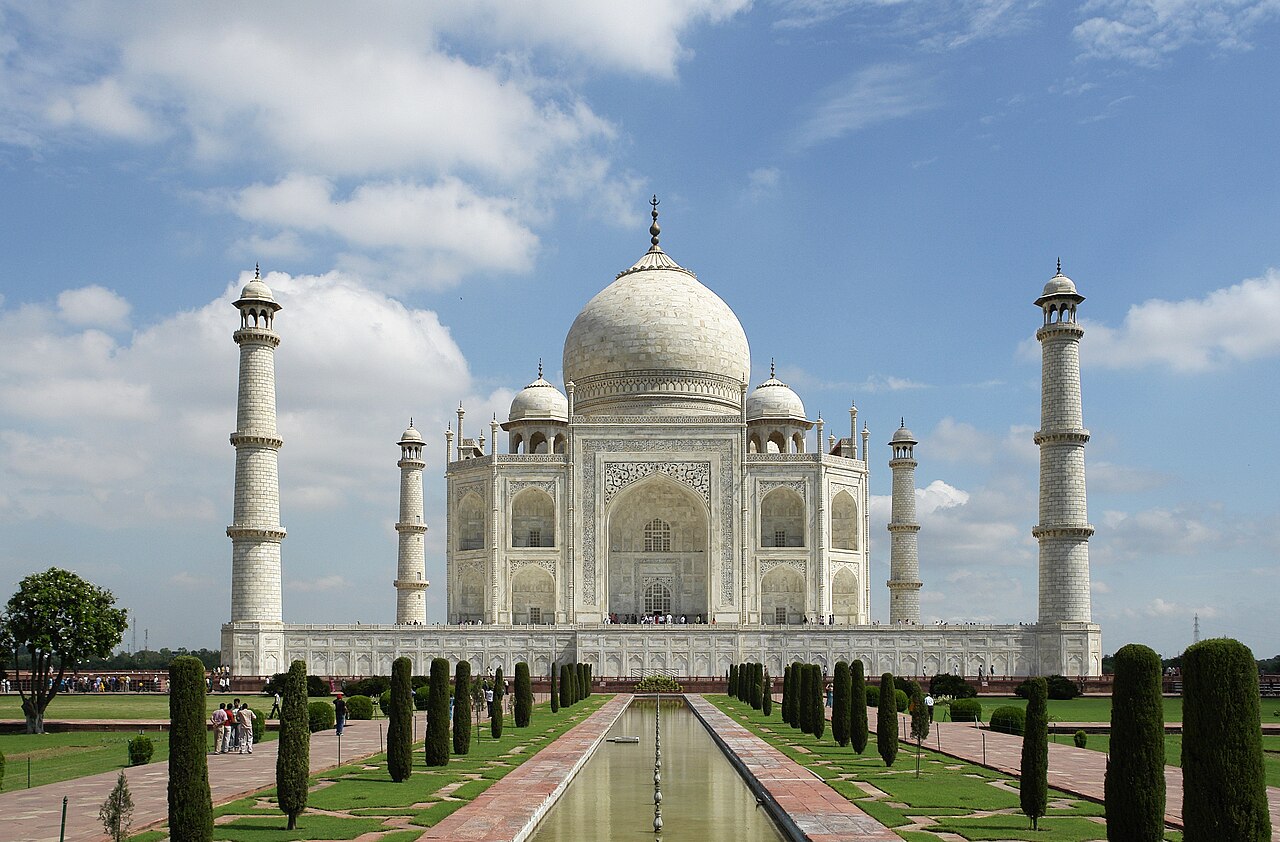
This is Agra, in present-day India, sitting on the Yamuna River on the broad Indo-Gangetic Plain — the flat, river-crossed heartland stretching south from the Himalayas. In 1632, Mughal Emperor Shah…
WIKIPEDIA →
This uprising took place on the Shimabara Peninsula in Kyushu, the southernmost of Japan's four main islands, where the land juts southward into the sea between the open Pacific and the sheltered…
WIKIPEDIA →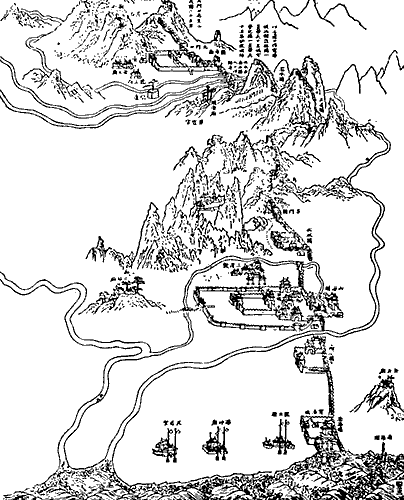
This is Shanhaiguan, the fortress town at the eastern end of the Great Wall where the mountains of Manchuria squeeze down to meet the Bohai Gulf — the narrow corridor between the highlands and the…
WIKIPEDIA →
Beijing sits at the northern edge of the North China Plain, where the Taihang and Yanshan mountain ranges converge to form a natural gateway between Inner Asia and the agricultural heartland. In…
WIKIPEDIA →
This was Münster, in the Westphalia region of what is today northwestern Germany, sitting on the broad North European Plain between the Rhine to the south and the North Sea coast to the northwest. In…
WIKIPEDIA →
This event took place at Anping, on the southwestern coast of Taiwan — a large island sitting in the western Pacific, separated from mainland China by the narrow Taiwan Strait, roughly 180 kilometres…
WIKIPEDIA →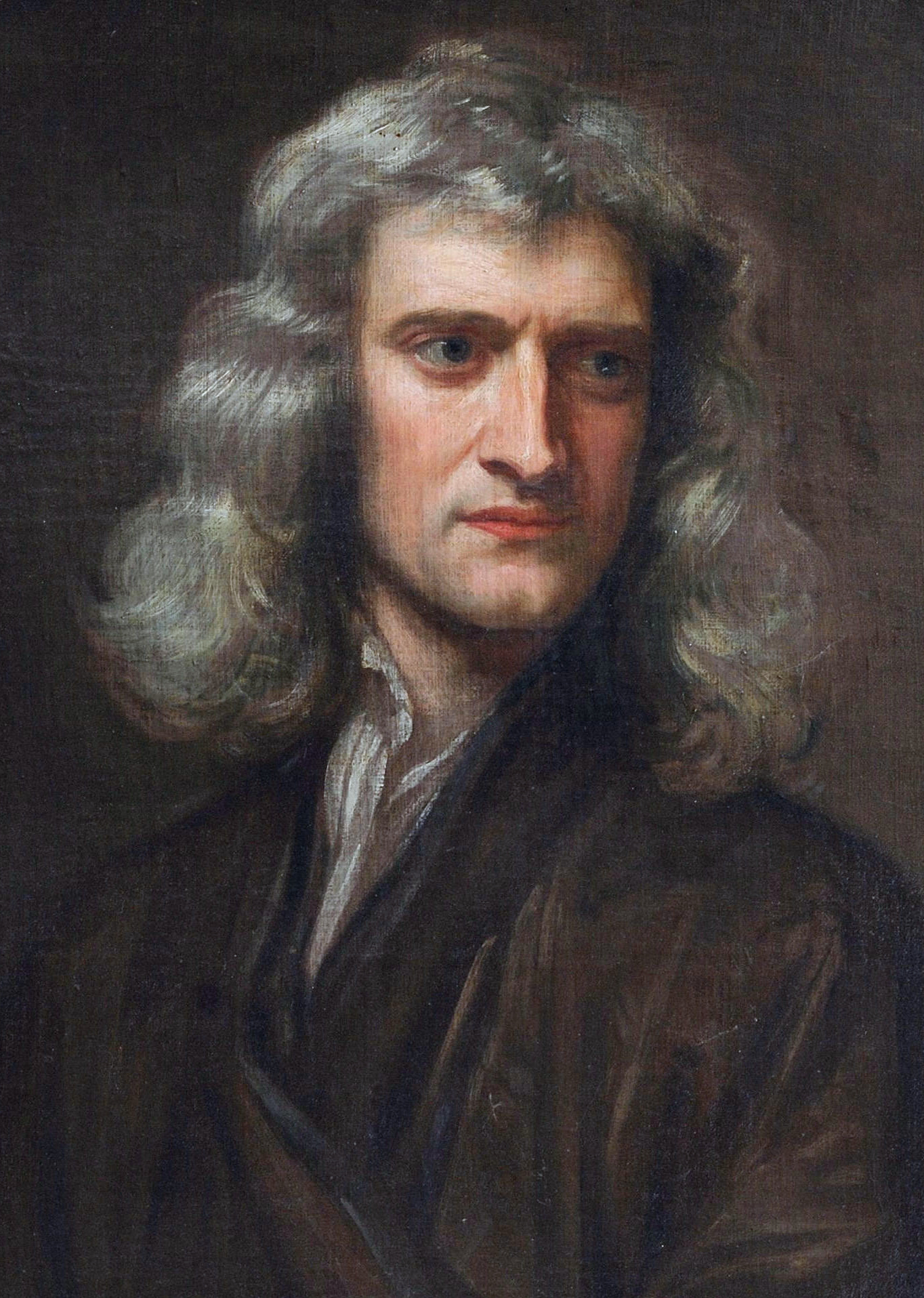
In 1687, Isaac Newton published Philosophiæ Naturalis Principia Mathematica from Cambridge University, England. The book set out three laws of motion explaining how and why objects accelerate and…
WIKIPEDIA →
Nerchinsk, in what is now Russia's Far East, sits in the basin where the Stanovoy Mountains slope down toward the Amur River — exactly the frontier the two delegations had gathered to divide. In…
WIKIPEDIA →
Jao Modo (also written Zuunmod) lies in the Mongolian steppe, roughly in the Tuul River valley north of the Gobi Desert and south of the Khangai Mountains. In 1696, Qing Emperor Kangxi personally led…
WIKIPEDIA →
Moscow, Russia — a fortress city on the Moskva River, which feeds into the Oka and then the Volga, sitting west of the Ural Mountains in the vast country that straddles both Europe and Asia, exactly…
WIKIPEDIA →
The Battle of Karnal took place near Karnal, in present-day northern India, on the flat plains that stretch between the Hindu Kush foothills to the northwest and the Gangetic Plain to the southeast…
WIKIPEDIA →- ✓ Free for teachers
- ✓ Students join with a 4-character code — no accounts needed
- ✓ Customizable — add or remove events to match your curriculum
- ✓ Run multiple rooms with different event mixes for replay variety